You Can’t Be Grumpy When Julio Sings

The last three days I have been feeling quite grumpy.

It’s because I am having to come to terms with the age-related adjustments I must make to my yoga practice.  As I watch my young teacher bend, bend, bend, my ego is having difficulty accepting that I cannot mimic her without injuring my knees, back or _____   (insert nearly any body part).

Perhaps next week.  If only I stretch a little further……..

Last night Mojo and I attended Julio Iglesias’ concert at the Arad Fort.  He came to Bahrain as part of The Spring of Culture.  Even though I only knew his “All The Girls I Loved Before” duet with Willie Nelson, we both agreed the show was terrific.


The good news was his voice is still strong.  And he was still surrounded with young women whose legs sliding out of their evening dresses trounced Angelina Jolie on the red carpet.

HRH King Hamad was impressed too.  He presented the 69-year old Spaniard an award for his prolific musical achievements.

I can only imagine Julio must be pretty grumpy today after the local newspaper featured his award on the front page.  Why? The photo was taken from his left side.

Based upon his myriad of publicity shots, Julio prefers his right side.  Even in his younger days, he entered the stage from the left and sang to his partner so his right side faced the audience.  The same was true last night.  His three sinewy backup singers all stood on the right side of the stage.

After flying in from a concert in Moscow and two nights outside in the Bahrain winter, I hope today he is resting and not obsessing about the photo.  But I know as I watched him carefully execute his choreographed moves, his age was on his mind.

“I am 47 years old” he joked with the audience.

He pretended his water was vodka.
When his saxophonist offered him a scarf, he turned it down, shouting “I feel terrific!”

Wearing only his suit jacket, he sang for an hour and a half while being pelted by an icy desert wind.

Watching him I wondered “at his age, why is he subjecting himself to this?”

Today I went to see my young hairdresser after a two month hiatus.  He looked at me and said, “You look great.  Have you lost weight?”

“No,” I said thinking a moment.  “But I have been immersed in my yoga training since January.”

“I have never exercised.  My doctor told me I should do yoga.  Everyone says yoga is excellent for you.” He continued, “You look different, better.  After seeing how you were walking, I am motivated to find a yoga class for me.”

I was so pleased.

“Yoga is great,” I agreed.  And thinking about Julio telling us how his music came from his heart and how much he enjoyed singing to people around the world, I added,

“And always do what you love.  That will keep you feeling young.”

Unlike Your Rolls Royce, Bahraini Pearls Are a Good Investment

From Left to Right - Yusuf bin Ahmed Kanoo, Salman Mattar, Jacques Cartier, Mugbil Al-Tbukair and a pearl expert

Like Jacques Cartier who came to Bahrain in 1921 looking for pearls, the Japanese have recently been to Bahrain on a pearl quest Dr. Ali Safar confided to us.

Dr. Safar, the Director of the Precious Metals and Gemstone Testing Laboratory in Bahrain, was the key note speaker at a Pearl lecture I attended last week.

Why? Today 95% of the pearls sold worldwide are cultivated in China.  Even the Japanese who created the cultured pearl industry have given up against the Chinese onslaught.  The only market the Japanese can afford to compete in today are pearls larger than 8mm.

Not to denigrate the quality of cultured pearls, for as Dr. Safar said, “experts with a lot of experience” have difficulty differentiating between a cultured pearl and a natural pearl.  The real difference between natural and cultured pearls is its essence – was it created naturally, by chance, or has man manipulated nature in his laboratory for commerce.

Bahraini pearls have not only worn by royalty but “al haka” or extremely small pearls that cannot be drilled are crushed and eaten or used in cosmetics because they are believed to hold the secret to immortality.

Bahraini pearls prized status as “Jiwan” (perfect pearls) began 5,000 years ago when the ancient Sumerians wrote about the two-thirds divine, one-third human, King of Ur, Gilgamesh.

Gilgamesh after losing his beloved friend, the wild man Enkidu, began to worry about his own mortality.  He decided to search for Utnapishtim the survivor of the Great Flood to whom the Gods had bestowed immortality.  Gilgamesh traveled to Dilmun (Bahrain) where Utnapishtim and his family lived.  After some negotiation, Utnapishtim told him the flower (the pearl) of immortality lay at the bottom of the sea.  Gilgamesh dove down deep and found the pearl.  But when he fell asleep, a snake swallowed it.

The Epic of Gilgamesh gave Bahraini pearls a special magic.  But the reason they are the rarest natural pearls in the world is because of the unique natural phenomenon in the Gulf where fresh water springs burst out into the salt water.  Unfortunately even Paradise can only support so many people.  The seemingly endless fresh water supply has been nearly used up by modern people and industry.  Like the rest of the world’s oceans, the Gulf’s sea beds are polluted and have been diminished by government land reclamation.

Similar to diamonds, a pearl’s value is based on its luster, color, shape and size.  The larger the pearl, the more valuable it is.  The Bahraini pearl’s incredible luster is based on its unique habitat.  In Bahrain where Indian traders dominate pearl wholesaling, pearl descriptions are in Hindi.  The Indian scale starts with perfect pearls or Jiwan which means beauty.

“Everyone wants Jiwan but they are very rare,” Dr. Safar assured us.

Shireen is next, meaning “sweet” or having very good luster.

Gholwah means “round pearls” or average.

Badlah means irregular shape.

Sihteet are poor to average luster.

Khaka is kaka – in every language I guess – or the lowest quality.

Bahraini pearls range up to twelve different colors depending on the mollusks.   A local diver said she noticed the pearl’s color was dependent on where it formed with the pearl’s body.

“Mollusks are like people,” said Dr. Safar.  “Some are white and some are yellow.”

In the Gulf region, the mahar mollusks produce the nabati pearls, cream with a reddish hue, which are favored among the Gulf people.  The abyadh (white) and gallabi (white with a strong iridescence) are popular with other buyers.  The zinni mollusks found in the shallow waters produce the rare colored, more expensive, pearls.

Pearl buying is like buying a used-car.

“If the salesman figures out what you like, you might pay 1,000 dinars when other people will only pay 100.  This is life,” counseled Dr. Safar.

The only way to know how that creamy bit of calcium carbonate was created is to x-ray it – at the lab – after purchase.

Despite their small size, Dr. Safar assured us a double stranded, Bahraini pearl necklace was a better investment than a Rolls-Royce.

“A Roll’s value depreciates,” he said nodding at the two Saudis in their elegant thobes, “but a Bahraini pearl only increases in value.”

Since my blog hasn’t made me enough money to buy either a Rolls Royce or a pearl necklace, I am afraid I will have to wait until I reach Paradise where the Koran says the faithful will be adorned in pearls.

Hmmm, maybe I have a better chance finding that snake.

Lessons from the Najd – How to Live in a Sandstorm

Prince Sultan bin Salman Al Sa'ud's Farm

As we are the middle of a sandstorm, I changed my theory.  I think walls around Middle Eastern houses help to keep the desert from taking over the front yard.

Living in an older section of the island, our compound is surrounded by a wall.  Inside we hardly notice the sandstorms.  But many of my friends have moved out to the new golf development in the middle of the desert.  Designed to appeal to westerners, neither the houses nor the development have perimeter walls.  My friends are complaining the sand is piling up in mini-dunes around their homes and they cannot open their windows with all the swirling sand.

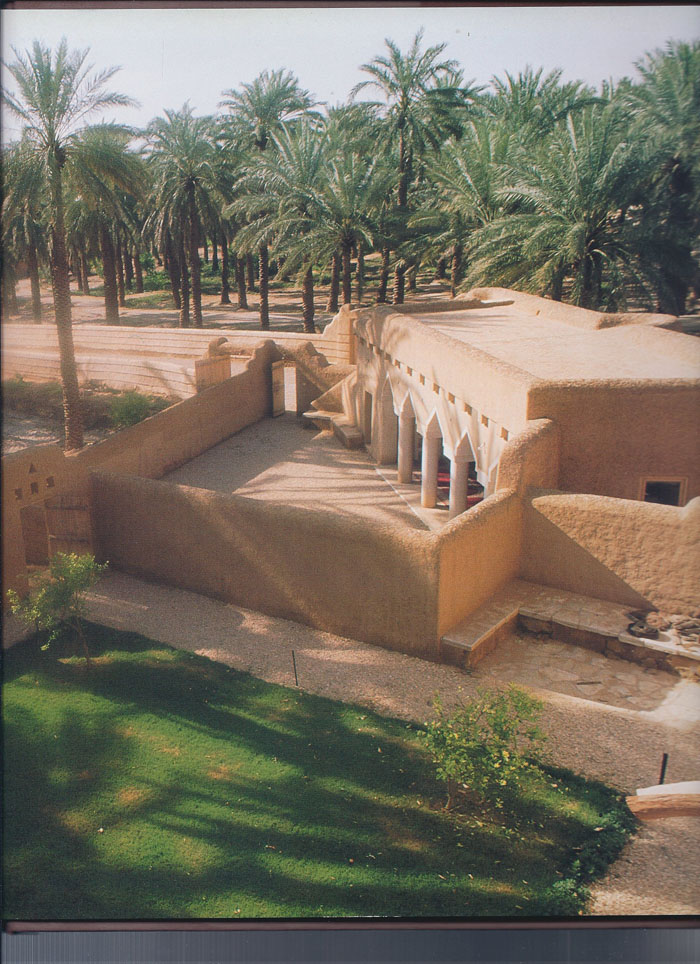
Several years ago Prince Sultan bin Salman bin Abd al-Aziz Al Sa’ud invited Mojo to his renovated, al-Udhaibat farm outside of Riyadh.  The farm retained its traditional Najdi architecture which enabled people to live in the desert before electricity.

One key aspect was to surround the house with palm trees.  The palms acted as natural barriers against the sand.  The air was cooled as it swept through the shaded areas under the palms.  Upon reaching the garden, walls kept any remaining dust and sand from entering the house.

Courtyard and airflow

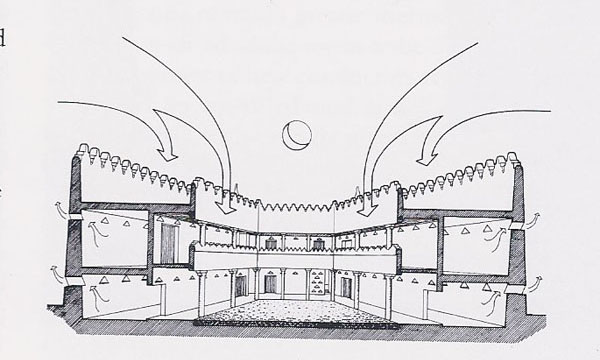
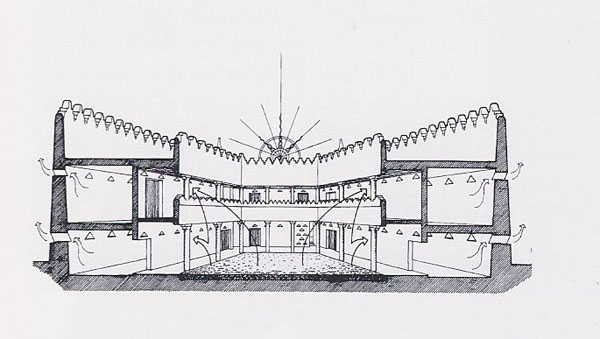
Besides surrounding the house with walls, central courtyards are a key feature of these mud houses.  The wind passing over creates a low-pressure zone in the courtyard.  This sucks in eddies but the low-pressure is counteracted by well-placed apertures in the rooms into the courtyard.

During the night, the courtyard and roof act as a cool air sink.

During the day, the sun heats the courtyard.  Warm air rises creating a chimney effect and pulls breeze through the rooms.

In the evening, the courtyard and buildings retain heat then give it off as the night air cools.

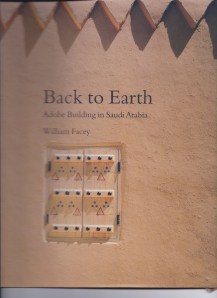
As I think about our impact on the desert whether as an eco-tourist or a westerner living in the desert, I find William Facey’s BACK TO EARTH: ADOBE BUILDING IN SAUDI ARABIA to be a very enlightening study of traditional Arab architecture and its effect on the environment.

All photos and images are from this book.

Island Fever

Every country has its pluses and minuses.

Living on a small island means the people and places become very familiar and comfortable.  It’s cozy.  But after a few months when these same people and places become a bit over-seen, we need a break.

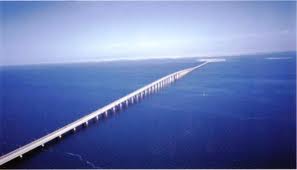
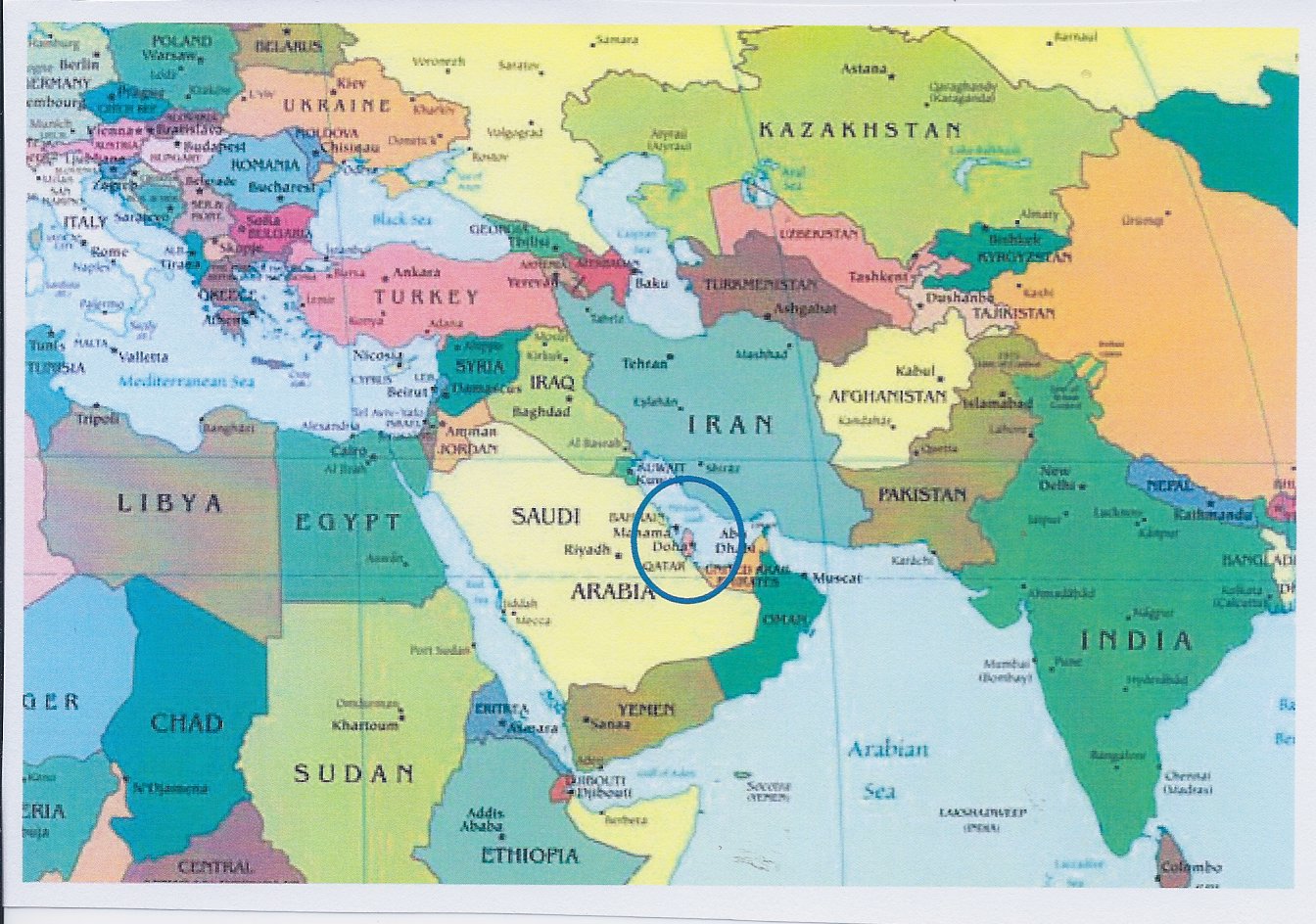
The only way to drive off the island is to cross the causeway into Saudi Arabia.  Unless you hold a GCC passport, you need a visa to get in there.  If the Saudis do allow you in, you have to cut through miles of desert to end up in the same desert under a different government.

We could take a boat.

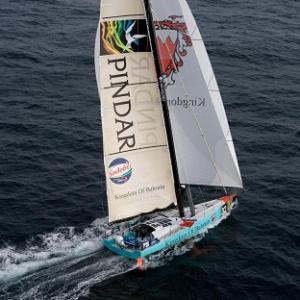
A successful water escape requires a knowledgeable captain otherwise we might be like the first Bahraini sailboat to participate in an international regatta.  A couple of years ago as Team Pindar maneuvered their brand-spanking new “Kingdom of Bahrain” yacht towards Dubai, they cut too far east and ended up getting arrested by the Iranian Revolutionary Guard.  After being held for a week, the government negotiated their release but the team missed the race.

Even if we didn’t have “evil intentions” to infiltrate Iran, a spyglass is a top ten necessity to scan the sea for pirates.  And we don’t have one.

So generally an island vacation requires a flight.

Should we fly one hour and still find ourselves in the Gulf? Different place, same flies.

Should we fly three hours and find ourselves in a regional skirmish?

Should we fly seven hours and find ourselves in freezing cold Europe?

ABOUT BETWEEN TWO SEAS

Photographer Andrew Weaver published a gorgeous coffee table book with many inspired and humorous photos about Bahrain.  Between Two Seas can be purchased in the large bookshops or at the Bin Matar House in Muharraq.  The great news is it was printed in different sizes so you can tuck one in your handbag for a gift or use it to decorate your coffee table and make your friends at home jealous.

Sleeping on the Job

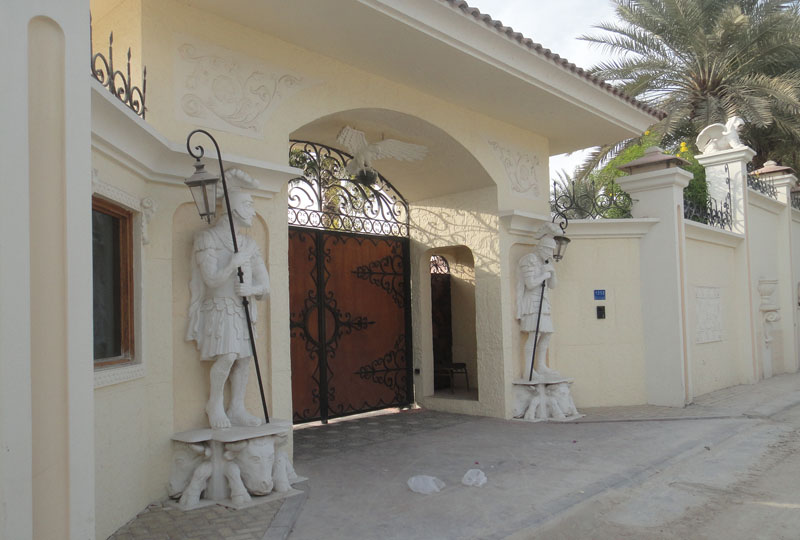
It is the customary in the Middle East to build high concrete walls around a house.  The walls help keep the desert outside and give women privacy to walk around their homes without having to be covered.  Even though guards are employed to open and shut the gate, I think, generally, security is not an issue.

Which is good – since some of the guards are sleeping.

Everybody Wants Something

Seems everybody has something to complain about – or protest for.

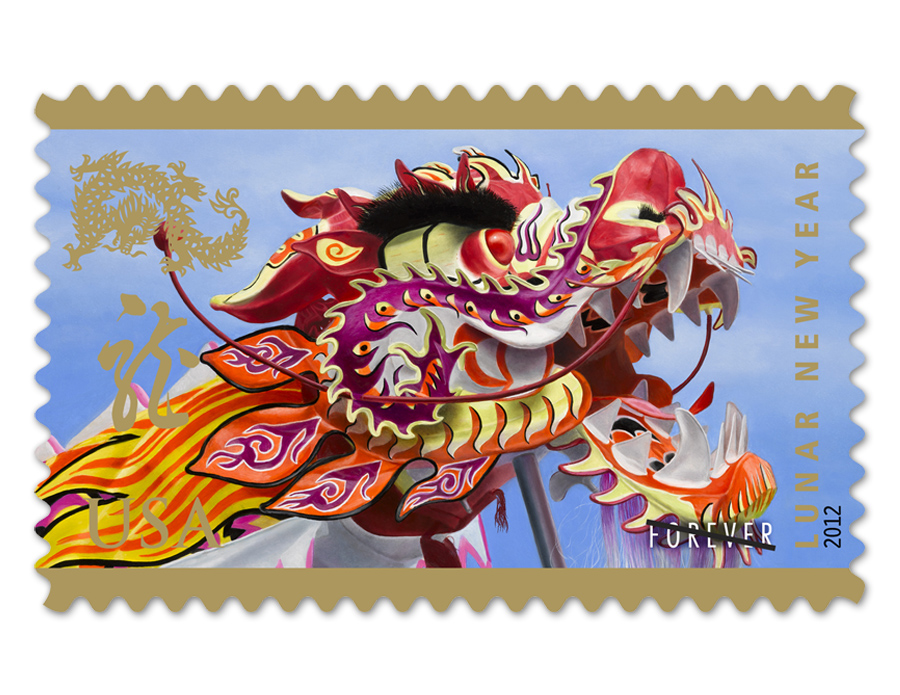
HAPPY YEAR OF THE DRAGON

The Year of the Dragon has officially begun! 

Is it a coincidence that 2012 is the Year of the Dragon?  Dragons are magical beasts that renew the future.

We have through February 9th to set ourselves up for good fortune in 2012.

Time to clean out the closets, move the furniture and eat kumquats.  And if you thought about having a baby, this is the year to do it.  The dragon is considered the most auspicious sign on the zodiac and dragon children are believed to be born with intelligence and good fortune.

Previous Older Entries Next Newer Entries

Archives

Tales by Chapter